What is a Quokka?

Quokka is our AI driven service delivery assistant

Pronounced KWOK-uh (rhymes with “locker” or “soccer”). It’s a two-syllable word with the stress on the first syllable, where the “qu” makes a “kw” sound.

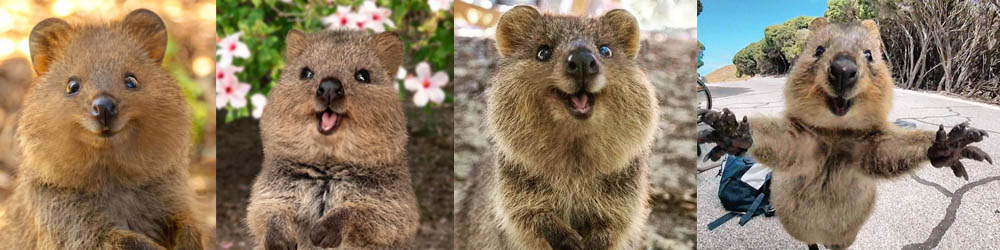
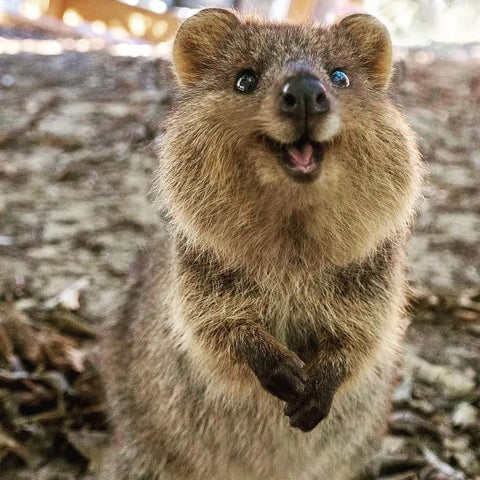
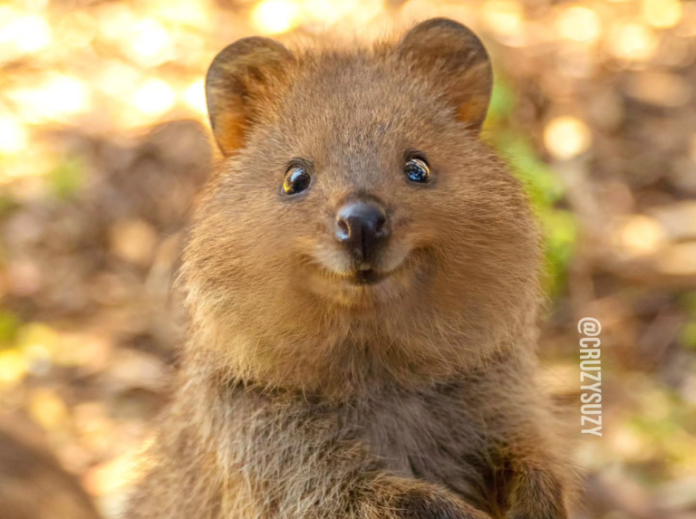
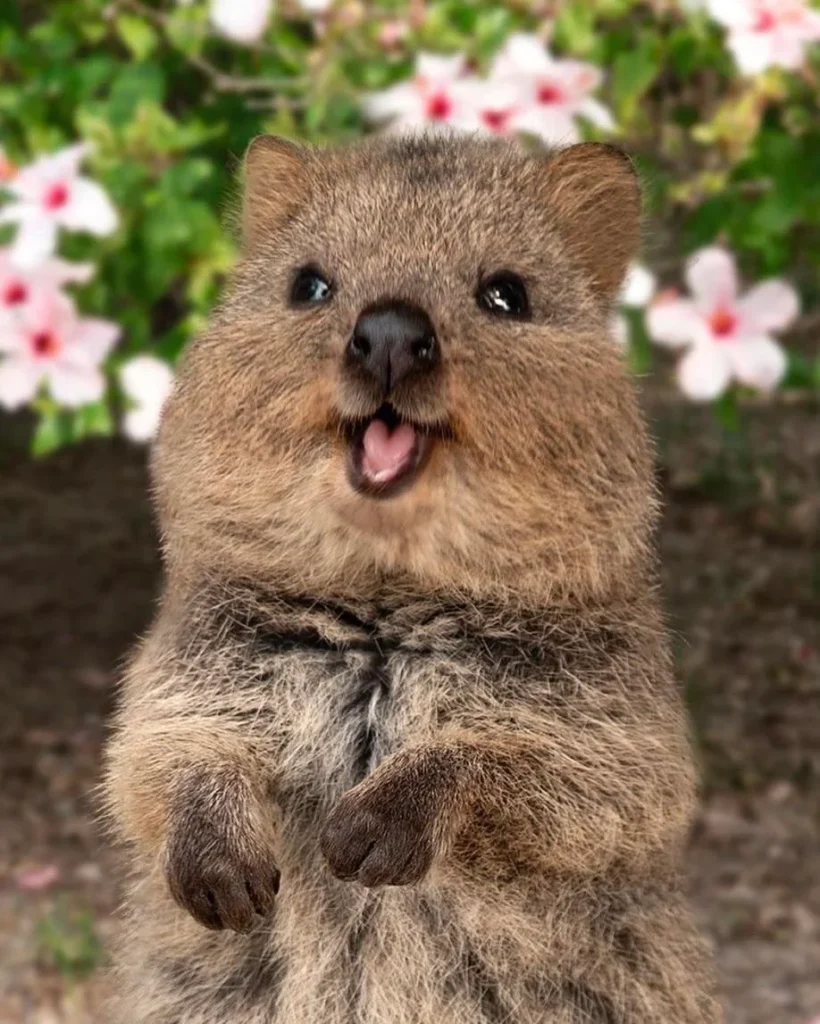
When it comes to Australian animals, most people think of kangaroos, koalas – and all the snakes and spiders out to get you. But not many have heard of the quokka. Often referred to as the world’s happiest animal, the quokka earned that title thanks to its distinctive “smile.”

How does Quokka help you?

Quokka is designed to make support faster, more consistent, and easier to interact with. You’re not being handed off to a machine – Quokka works alongside our team to route requests, surface the right information, and guide you through a short, structured exchange to get the details we need.

Quokka will prompt you for a small amount of information to help create your ticket and direct it to the right place. Behind the scenes, it supports our service delivery process so we can respond more efficiently and with better context.

Every support request is still backed by our team, with clear ownership and follow-through. Quokka works alongside us and is not a replacement for the people you’re used to working with.

The advantage of Quokka is that it understands our documentation and internal processes. As you describe an issue, it can provide guidance or escalate the ticket as needed-helping you get to a resolution faster.

More information about the quokka

The quokka is a small marsupial in the kangaroo and wallaby family, often referred to as the world’s happiest animal. About the size of a small cat, it has round ears and an approachable appearance, best known for its distinctive “smile.” Quokkas are primarily found on Rottnest Island and Bald Island, with smaller populations on the mainland.

Quokkas typically measure about 40-54 cm in length and weighing between 2.5 and 5 kg. Native to South Western Australia, the largest population – around 10,000 animals – lives on Rottnest Island, with much smaller populations on the mainland. Despite their popularity, quokkas are classified as a vulnerable species due to habitat loss and introduced predators.

Scroll to Top